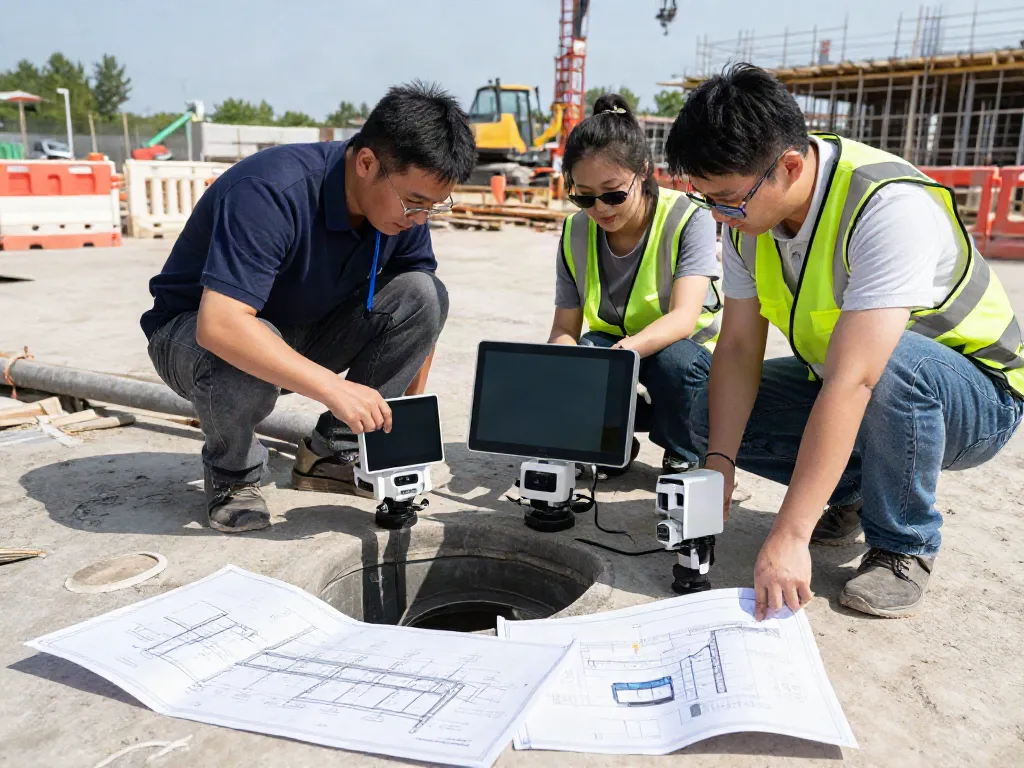
Understanding CCTV Drainage Surveys: The Basics
CCTV drainage surveys have become an essential practice for maintaining the integrity of drainage systems, particularly in densely populated urban areas like London and Surrey. These surveys utilise high-resolution cameras to inspect underground pipes and networks without disrupting the surface. With the rising importance of efficient drainage solutions amidst increasing construction projects and urban development, understanding the basics of CCTV drainage surveys can significantly benefit property owners, architects, and civil engineers. When exploring options, CCTV Drainage Survey London provides comprehensive insights that enhance project planning and execution.
What is a CCTV Drainage Survey?
A CCTV drainage survey is a non-invasive inspection technique that employs high-definition cameras mounted on flexible rods or push cameras to explore and assess the internal condition of drainage systems. This method allows surveyors to identify various issues such as blockages, cracks, corrosion, and structural integrity without the need for expensive and disruptive digging. The cameras transmit real-time footage that can be recorded and analysed for further review, making it a crucial tool for property managers and construction professionals.
Key Benefits of CCTV Drainage Surveys
- Cost-Effective: By identifying issues early, CCTV surveys help in avoiding costly repairs and extensive excavation work.
- Non-Invasive: The method allows for thorough inspections without disturbing the landscape or existing structures.
- Detailed Reports: Surveys produce comprehensive reports, including video footage and data about the condition of pipes, which can be vital for future maintenance decisions.
- Regulatory Compliance: For new constructions, CCTV drainage surveys ensure compliance with local regulations and standards, especially when applying for build-over agreements.
Technology Involved in CCTV Drainage Surveys
State-of-the-art technology is employed in CCTV drainage surveys, including cameras capable of rotating 360 degrees, high-definition imaging, and advanced data processing software like WinCan. This technology allows surveyors to generate detailed visual and CAD drawings, aiding in the identification of the drainage layout and pipe condition. Some systems even incorporate sonar technology to measure depths and assist in detecting hidden pipes.
Choosing the Right CCTV Drainage Surveyor in London
Selecting a competent drainage surveyor is paramount to ensuring your project’s success. With numerous companies offering similar services, it’s crucial to understand what distinguishes a reputable surveyor from a subpar option. Here we outline essential criteria for choosing the right drainage surveyor that can effectively meet your needs.
What to Look for in a Drainage Surveyor
When seeking a drainage surveyor, consider the following attributes:
- Accreditations: Ensure the surveyor holds relevant industry certifications, such as PAS 128 compliance for utility mapping and drainage surveying.
- Experience: A company with substantial experience in various drainage conditions and projects will provide more reliable insights.
- Technology Used: Evaluate the technology they employ for surveying; advanced tools result in improved accuracy and report quality.
- Customer Reviews: Look for testimonials and case studies that can demonstrate the quality of service and client satisfaction.
Top Qualities of Expert Drainage Companies
Expert drainage companies exhibit several key qualities that set them apart in the industry:
- Strong Communication: A reliable company maintains clear communication with clients throughout the survey process.
- Detailed Reporting: They provide detailed reports that are understandable and actionable, highlighting key issues and suggested solutions.
- Comprehensive Services: Offering a range of services beyond CCTV surveys, such as drainage repairs and maintenance, adds value for clients.
- Responsive Customer Support: Good drainage companies offer immediate support for any queries post-survey.
Comparing Services: What’s Included
When comparing different drainage survey offerings, ensure you understand what is included in their service package. Look for:
- Video footage of the surveyed areas.
- Detailed condition reports with identified problems and recommendations.
- CAD drawings to illustrate the drainage layout.
- Compliance documentation for any regulatory requirements.
The Process of a CCTV Drainage Survey
Understanding the process of a CCTV drainage survey can help you prepare adequately for the inspection. This knowledge can also assist in managing expectations regarding the outcome and subsequent actions.
Pre-Survey Preparations and Planning
Prior to conducting a CCTV drainage survey, it is essential to undertake thorough planning. This includes reviewing existing site plans, understanding the layout of the drainage system, and identifying potential access points for the cameras. It is also vital to inform any relevant parties of the survey’s timing to prevent disruptions.
Conducting the Survey: Steps Involved
The actual survey involves several key steps:
- Site Inspection: Surveyors will conduct an initial site visit to assess access points and any visible issues that may impact the survey.
- Setup: The equipment will be set up, ensuring cameras are correctly positioned to capture the necessary footage.
- Survey Execution: High-resolution footage of the drainage system is recorded as the camera travels through the pipes.
- Data Collection: All data is collected for analysis post-survey, including potential issues identified during the inspection.
Post-Survey Reporting and Analysis
After the survey, detailed reports are generated, which include:
- Visual footage of the pipes.
- Reports detailing the condition of the drainage system.
- Recommendations for repair or maintenance, if necessary.
- CAD drawings of the drainage layout.
CCTV Drainage Surveys for Specific Applications
CCTV drainage surveys are versatile and can be applied across various scenarios, offering critical insights tailored to the needs of different projects.
New Property Purchases and Their Importance
When purchasing a new property, buyers often focus on aesthetics and structural integrity. However, the drainage system is equally vital for longevity and functionality. A CCTV drainage survey can reveal existing issues that might not be apparent during a standard inspection, providing buyers with leverage in negotiations and potentially saving thousands in unexpected repairs.
Refurbishment Projects and Drainage Evaluations
For refurbishment projects, understanding the existing drainage systems is crucial. Aging infrastructure can lead to unexpected complications, such as blockages or structural failures. A CCTV survey helps identify areas needing attention, ensuring that refurbishment proceeds smoothly without costly delays.
Build Over Agreements and Compliance Needs
When constructing over existing drainage systems, obtaining a thorough CCTV drainage survey is often required for compliance with local regulations. This survey ensures that the new construction does not adversely affect the drainage systems, which is essential for avoiding future complications.
Future Trends in CCTV Drainage Surveys for 2026
The field of drainage survey technology is continuously evolving. Staying abreast of trends can significantly impact project planning and execution.
Emerging Technologies in Drainage Inspections
As technology advances, the tools used in CCTV drainage surveys are becoming more sophisticated. Innovations like drones for aerial inspections and AI-driven data analysis are set to revolutionise the industry. These technologies promise increased efficiency and enhanced accuracy.
Predictive Maintenance and Its Benefits
Predictive maintenance, which leverages data and algorithms to foresee potential drainage system failures, is gaining traction. This proactive approach can significantly reduce unplanned downtime and repair costs, making CCTV surveys an integral part of asset management strategies.
Regulatory Changes Impacting Drainage Surveys
As environmental concerns grow, regulatory frameworks surrounding drainage systems are likely to tighten. Future drainage surveys may need to adhere to more stringent requirements, with an emphasis on sustainability and environmental protection.
How much should a CCTV drain survey cost?
The cost of a CCTV drain survey can vary based on several factors, including location, the complexity of the drainage system, and the specific services included. On average, homeowners should expect to pay between £150 to £300 for a standard survey in London. Some companies may offer bundled services that include additional reports or mapping for a competitive rate.
What does a CCTV drainage survey do?
A CCTV drainage survey inspects the condition of underground pipes, identifies blockages, assesses structural integrity, and maps the drainage layout. The findings are crucial for property maintenance, compliance, and future planning.
How long does a CCTV drainage survey take?
The duration of a CCTV drainage survey can vary, typically ranging from one hour for small residential properties to several hours for larger or more complex systems, depending on the length of the drainage run and the number of access points.
Is a CCTV survey required for a build-over agreement?
Yes, a CCTV survey is often required for build-over agreements to ensure that any new construction does not adversely affect existing drainage systems. Local authorities typically mandate this survey to prevent future drainage issues.
What are the common issues found in drainage surveys?
Common issues identified during a CCTV drainage survey include blockages caused by debris or tree roots, cracks in the pipes, misaligned joints, and corrosion. Early detection of these problems can help mitigate more severe issues and costly repairs down the line.