Understanding Laminate and Engineered Wood Flooring
Choosing between laminate and engineered wood flooring can be a challenging decision for UK homeowners. Both options have their unique advantages and disadvantages, making it crucial to understand the distinct characteristics of each. This guide aims to illuminate the specific attributes of laminate and engineered wood, helping you to navigate the complexities of your flooring choices effectively. When exploring options, simple flooring ideas that last provide comprehensive insights that can simplify your decision-making process.
What is Laminate Flooring?
Laminate flooring is a synthetic flooring product that mimics the appearance of wood or stone. Created through a process that involves layering, laminate consists of a core made from high-density fiberboard (HDF) that is topped with a photographic layer designed to resemble real wood. The uppermost layer is usually covered with a clear protective coating that enhances durability and resistance to scratches and stains. This makes laminate an appealing choice for high-traffic areas and homes with pets; its resilience to wear and tear is impressive.
What is Engineered Wood Flooring?
Engineered wood flooring, on the other hand, is constructed with a genuine hardwood surface layer that is bonded to multiple layers of plywood or high-density fiberboard. This unique design not only enhances its stability but also gives it the authentic look and feel of solid wood. Engineered wood is less susceptible to warping or cupping in moisture-prone environments, making it a popular choice for areas like kitchens and basements where humidity levels can fluctuate.
Key Differences in Durability and Maintenance
- Durability: Laminate is typically more resistant to scratches and fading compared to engineered wood due to its hard exterior. However, it can be more susceptible to moisture damage if not properly maintained.
- Maintenance: Laminate requires less maintenance overall, only needing regular sweeping and occasional damp mopping. Engineered wood, while requiring more upkeep to preserve its beauty, can be sanded and refinished multiple times, extending its life significantly.
Budget Considerations for Flooring Choices
Cost Breakdown of Laminate vs Engineered Wood
When it comes to budgeting for your flooring project, laminate tends to be the more cost-effective option. Prices can vary based on brand and quality but generally range from £10 to £25 per square meter. Engineered wood, however, comes at a higher price point—typically between £25 to £60 per square meter. The initial investment in engineered wood may pay off in the long run, particularly if you plan to stay in your home for many years. Understanding your financial picture is essential to making a wise choice.
Long-Term Value Analysis
While laminate flooring can be easier on the budget initially, engineered wood may offer better long-term value. Its longevity, ability to be refinished, and greater appreciation in value can make it a wise investment for homeowners looking to enhance their property's worth. Additionally, engineered wood’s authentic appeal can attract future buyers, potentially leading to a higher resale value.
Financing Options for Flooring Projects
If budget constraints are a concern, several financing options can make your flooring project more manageable. Many flooring retailers offer installment plans, allowing you to spread the cost over several months. Additionally, checking for any government grants or incentives for energy-efficient home upgrades can help offset costs. Always ensure to review the terms of any financing option to avoid high-interest payments in the long run.
Design Aesthetics and Style Options
Modern Trends in Flooring Appearance
Both laminate and engineered wood offer a plethora of styles and finishes, making it easy to find a look that suits your home. Current trends indicate a preference for wider planks and lighter hues that create an airy, spacious feel. Textured finishes are also on the rise, providing depth and a more authentic appearance. Homeowners can select from various styles ranging from modern minimalist to rustic farmhouse aesthetics, ensuring a perfect match for their decor.
How to Match Flooring with Home Decor
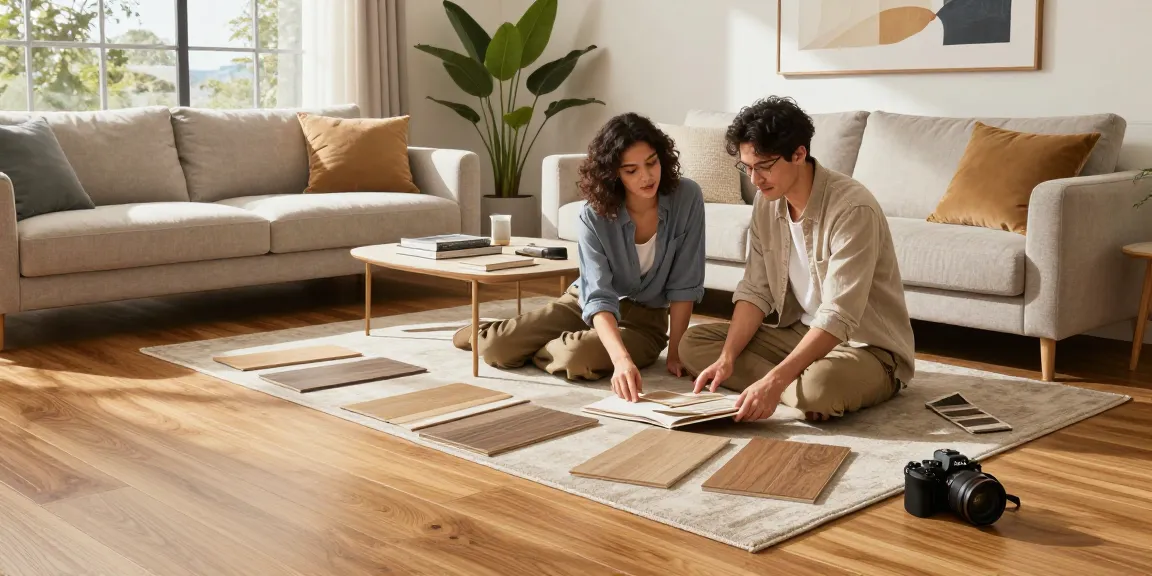
When selecting flooring, one of the most significant considerations is how it will harmonize with your existing decor. For rooms with lighter furniture and bright walls, a darker floor can provide striking contrast. Conversely, if your space features dark tones, opting for a lighter flooring option can help balance the room. Consider the overall theme of your home, and try to select a flooring style that complements your furnishings and color palette.
Customizing Colors and Textures
Both laminate and engineered wood offer customizable options. With engineered wood, you can find a variety of finishes that highlight the natural beauty of the wood grain. Laminate, while offering fewer genuine wood textures, is available in a broad array of colors and prints that can imitate various wood species and styles. Customization allows homeowners to achieve their desired aesthetic without compromising on quality or budget.
Practical Applications in Different Rooms
Choosing the Right Flooring for Kitchens
The kitchen is often considered the heart of the home, requiring flooring that can withstand spills, heavy foot traffic, and moisture. Laminate is generally touted for its resistance to spills and humidity, making it a practical choice for kitchens. However, if you prefer the elegance of wood, engineered wood can still be an option. Ensure that it is well-sealed and maintained to guard against water damage.
Living Room Flooring Ideas: Laminate vs Engineered Wood
In a living room, the choice between laminate and engineered wood often hinges on the desired aesthetic and comfort level. Laminate can deliver a contemporary look and is ideal for busy households. In contrast, engineered wood adds warmth and authenticity, making it an inviting choice for family gatherings and entertaining guests. Consider your family's lifestyle and how you use the space when making your selection.
Bathroom Flooring: Pros and Cons
Bathrooms can be tricky when it comes to flooring. Laminate is generally not recommended for bathrooms due to its susceptibility to moisture damage. While engineered wood can be used in bathrooms, it requires careful installation and maintenance to prevent water-related issues. If your heart is set on wood in this space, ensure the engineered options are rated for high-humidity environments.
Maintenance and Care for Longevity
Cleaning Tips for Laminate Flooring
Maintaining laminate flooring is relatively straightforward, requiring regular sweeping and occasional damp mopping with a suitable cleaner. Avoid using excessive water, as this can seep into seams and cause damage. For tough stains, a mild detergent can be used, but ensure it is appropriate for laminate surfaces to avoid dulling the finish.
Maintaining Engineered Wood's Natural Beauty
To keep engineered wood looking beautiful, regular cleaning and maintenance are key. Dust and debris should be swept away frequently, and wet mops should be used sparingly. Periodic refinishing can revive its appearance and protect the wood from wear. Additionally, using area rugs in high-traffic areas can reduce wear and enhance the longevity of your flooring.
Common Mistakes to Avoid for Flooring Durability
- Neglecting to clean spills immediately, which can lead to staining.
- Using harsh chemicals that can damage the surface of laminate or engineered wood.
- Failing to use protective pads under furniture to prevent scratches.
- Ignoring humidity levels, especially for engineered wood, which can warp if exposed to extreme conditions.
What are the key advantages of laminate flooring?
Laminate flooring offers numerous advantages, including affordability, durability, scratch resistance, and ease of installation. Its synthetic nature allows for a wide variety of styles and patterns, making it a versatile choice for any home.
How does engineered wood differ in maintenance from laminate?
Engineered wood requires more attentive care to maintain its natural appearance, necessitating periodic refinishing and careful cleaning to avoid water damage, whereas laminate is more forgiving in terms of maintenance and does not typically need refinishing.
Can you use laminate in moisture-prone areas?
While laminate can withstand some moisture, it's not advisable to use it in areas with high humidity or standing water, such as bathrooms and basements. In such cases, engineered wood is a better option when properly sealed, as it can handle these conditions more effectively.
What are the latest trends in flooring for 2026?
The flooring trends for 2026 point towards sustainability, with increasing popularity in eco-friendly materials. There’s also a rise in the use of mixed material designs, where laminate and engineered wood are paired with other sustainable flooring options. Additionally, richer textures and multi-dimensional finishes are becoming more prevalent, appealing to homeowners looking for unique and personalized aesthetics.
Which flooring option is best for a family with pets?
For families with pets, laminate flooring tends to be the best option due to its durability, scratch resistance, and ease of cleaning. However, engineered wood can also be considered if you invest in higher durability versions and maintain it diligently. Always remember to select a finish that can withstand the rigors of pet activity.